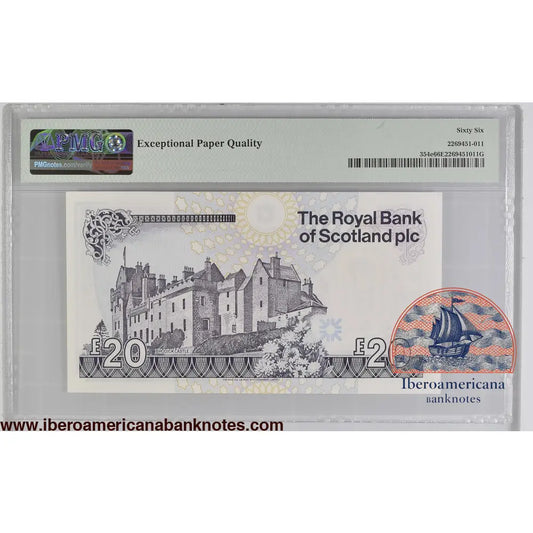
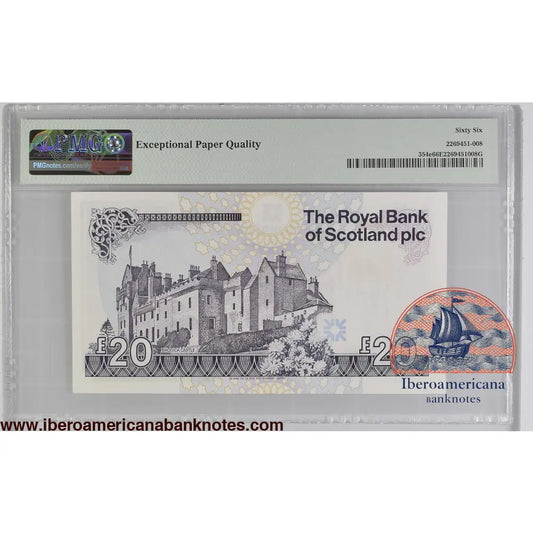
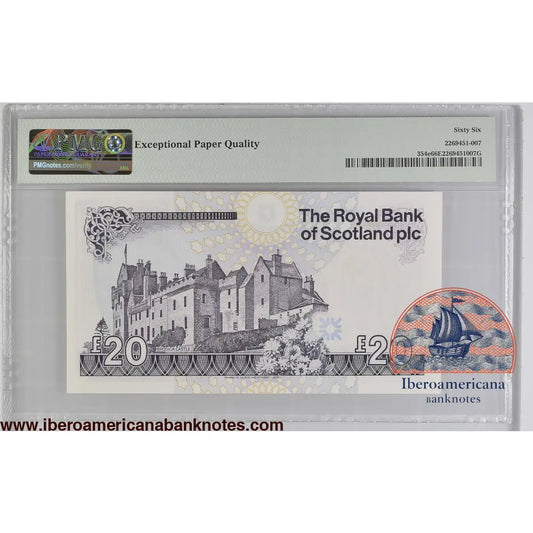
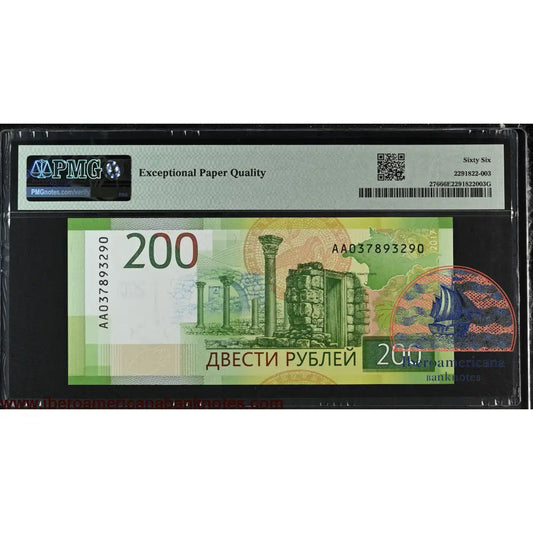
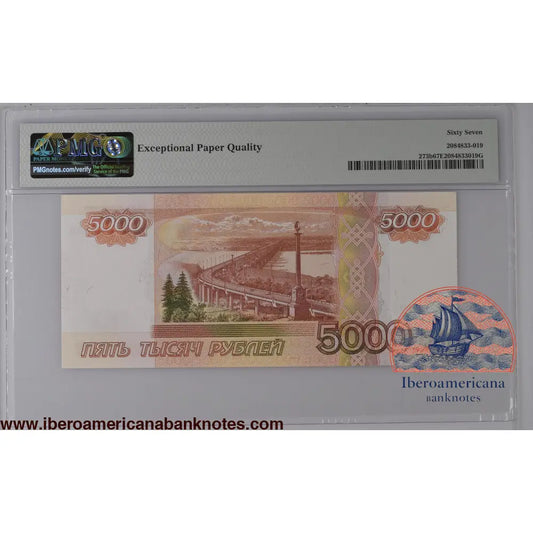
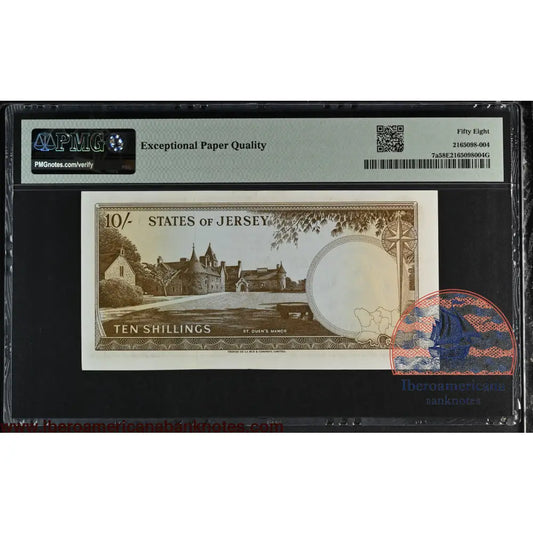
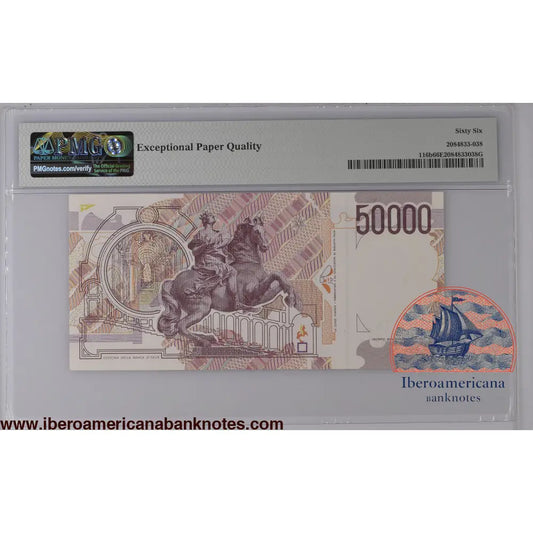
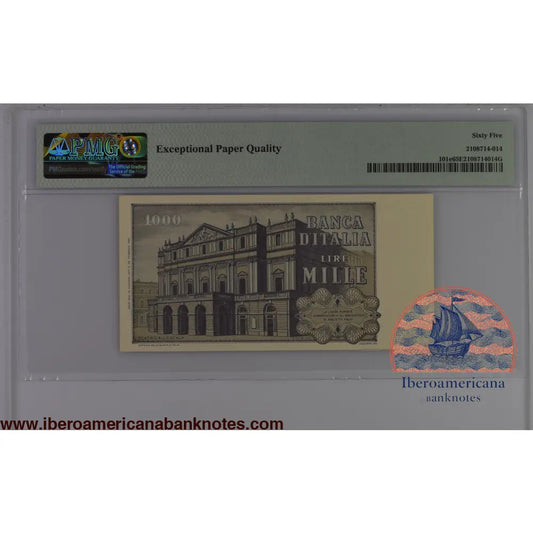
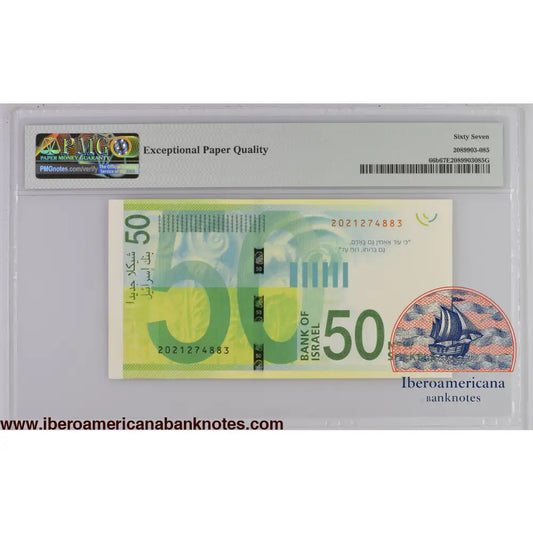
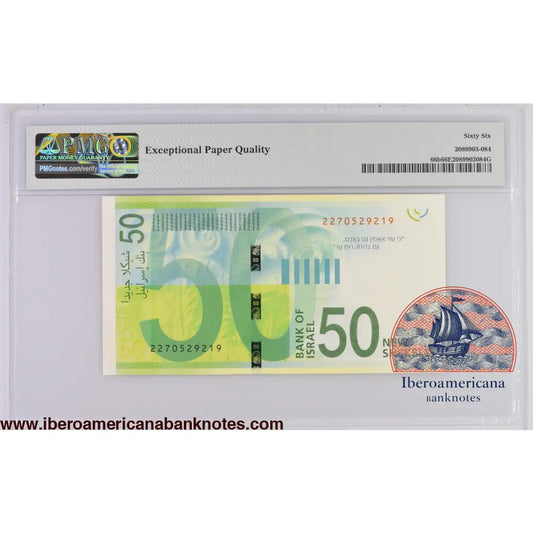
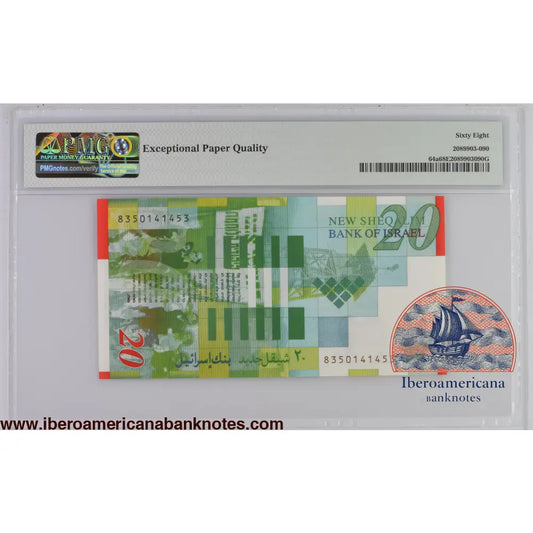
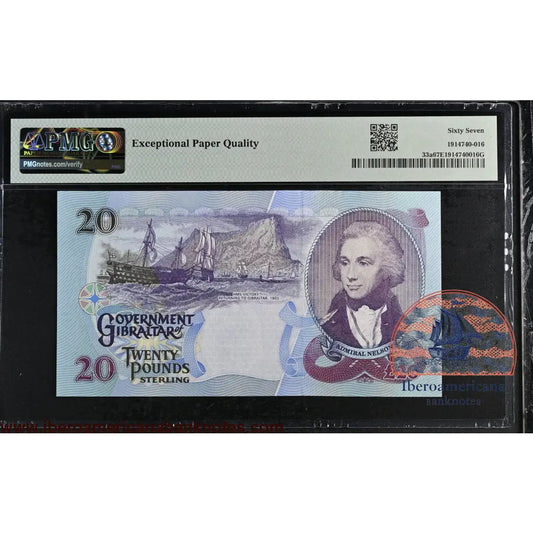
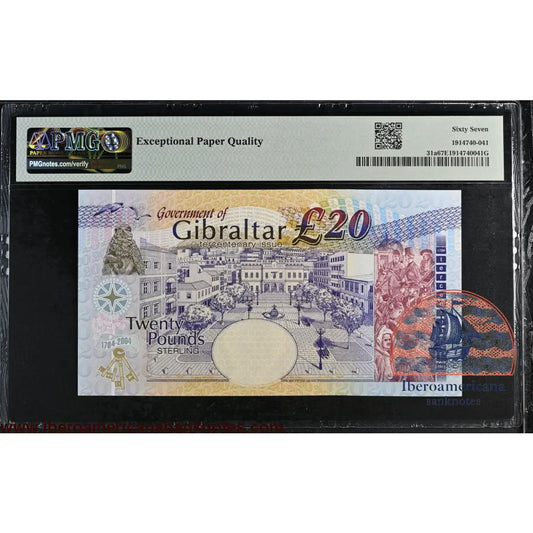
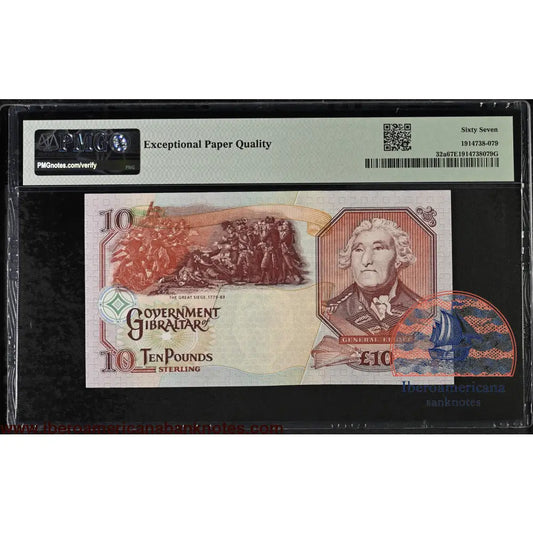
Explore European Notaphily: A Legacy of Empires and Modern Nations
Immerse yourself in the captivating world of European banknotes , where each vintage note reflects historical diversity, from the Roman and Napoleonic empires to the European Union. At Iberoamericana Banknotes , we present our meticulously curated collection of vintage European banknotes , perfect for both seasoned collectors and new buyers passionate about the monetary heritage of this continent, the cradle of civilizations. Vintage European banknotes are more than just paper money; they are relics that chronicle the evolution of currencies such as the German mark , the Italian lira , the French franc , and the Portuguese escudo , culminating in the adoption of the euro in 2002 and symbolizing unity after centuries of war and division.
The Evolution of Old Banknotes in Europe: From Thalers to Euros
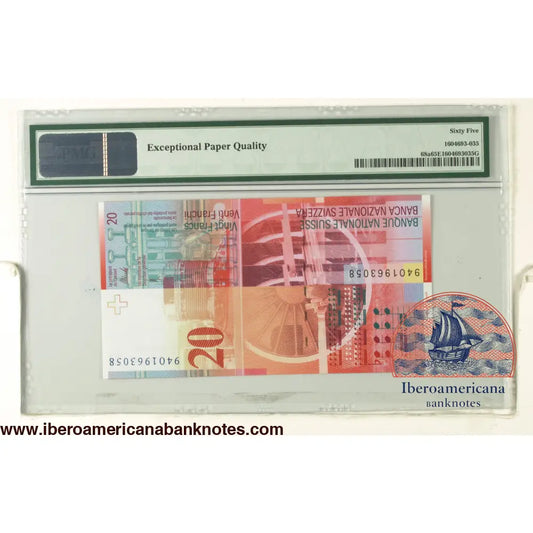
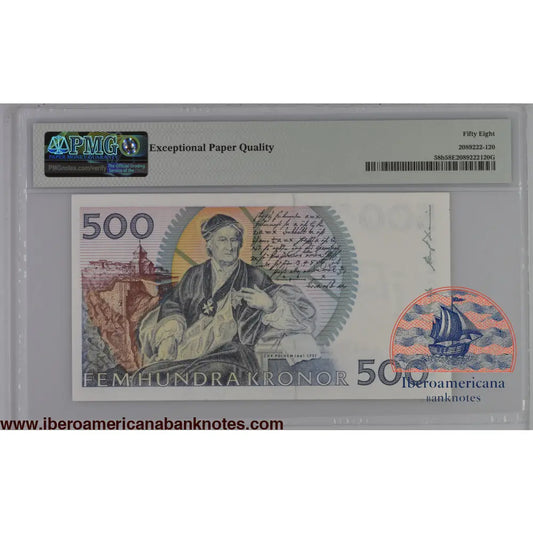
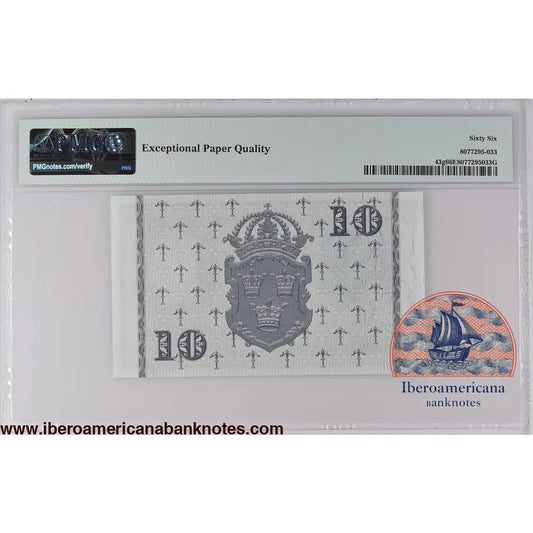
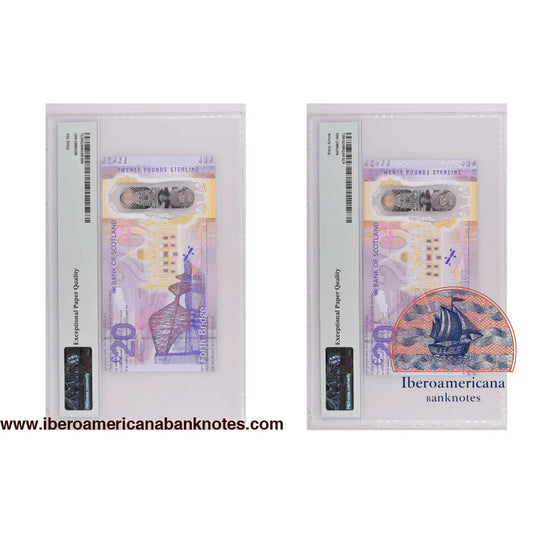
Before the 19th century, Europe used thalers , ducats, and florins . National unification brought modern currencies: the German mark (1873), the Italian lira (1861), and the Swiss franc (1850). The first banknotes, worth 100 marks (1874), featured Kaiser Wilhelm I. In the 20th century, hyperinflation (Germany, 1923), world wars, and the Cold War shaped currency series such as the Deutsche Mark (1948) and the Soviet ruble (1961). Nineteen countries adopted the euro (2002), but nations like the United Kingdom (pound), Switzerland (franc), and Sweden (krona) retain their own currencies.
Rare Old Banknotes from Europe: Jewels of Continental Notaphily
For lovers of European banknotes , we include exclusive pieces such as the 100 trillion mark note from 1923 (hyperinflation) and the last 1,000 escudo note from Portugal, dated 1998. These vintage banknotes incorporate advanced security features of their time: metallic thread, watermarks with portraits, optically variable ink, and microtext. The rarity of issues from unification, hyperinflation, and the transition to the euro makes them highly sought after at international auctions, valued for their connection to European history.
Preservation and Authenticity of Old Banknotes: Our Promise
Preservation is essential in our selection of vintage European banknotes . Each piece is graded on standard scales such as VF (Very Fine) or UNC (Uncirculated), preserving details like watermarks with the eagle (Germany), fluorescent fibers, and governors' signatures. We recommend that collectors of rare vintage banknotes verify their integrity under UV light, where elements such as the map of Europe will glow in shades of yellow or green. At Iberoamericana Banknotes , all our pieces come from verified sources, avoiding common forgeries found in 19th-century replicas.
Why Collect Old European Banknotes
From the 1,000 marks of 1910 to the 500 lire of 1997 , this collection offers a window into European history: unifications, wars, hyperinflation, and the peace of the euro. Each vintage banknote reflects key moments, such as German unification (1871) or the adoption of the euro (2002). For new collectors , it's an entry point into collecting with historical value; for experienced collectors , it's a chance to acquire complete series that enrich any collection.
Trust Iberoamericana Banknotes
At Iberoamericana Banknotes , we guarantee the authenticity of every vintage banknote with detailed certificates and expertise in Ibero-American and European numismatics. We offer pieces in optimal condition for your collectible collection and secure, discreet international shipping to any destination. Trust our authority to elevate your passion for vintage European banknotes to new heights.