
-
Mexico 200 Pesos 7.12.2015 P-125bg UNC
Vendor:Iberoamericana BanknotesRegular price €39,95 EURRegular price €39,95 EUR Sale priceUnit price per -
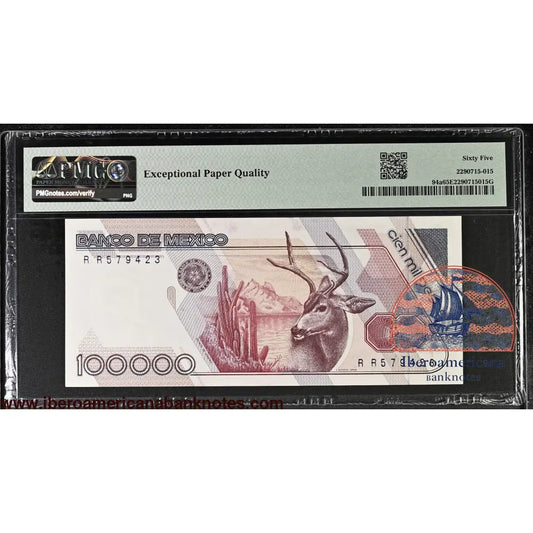
Mexico 4.1.1988 P-94a PMG Gem UNC 65 EPQ 100,000 Pesos
Vendor:Iberoamericana BanknotesRegular price €234,95 EURRegular price €234,95 EUR Sale priceUnit price per€249,95 EURSale -
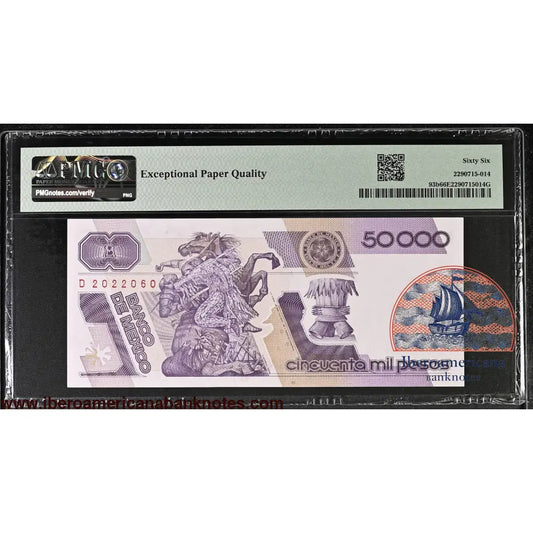
Mexico 12/20/1990 P-93b PMG Gem UNC 66 EPQ 50,000 Pesos
Vendor:Iberoamericana BanknotesRegular price €139,95 EURRegular price €139,95 EUR Sale priceUnit price per€149,95 EURSale -
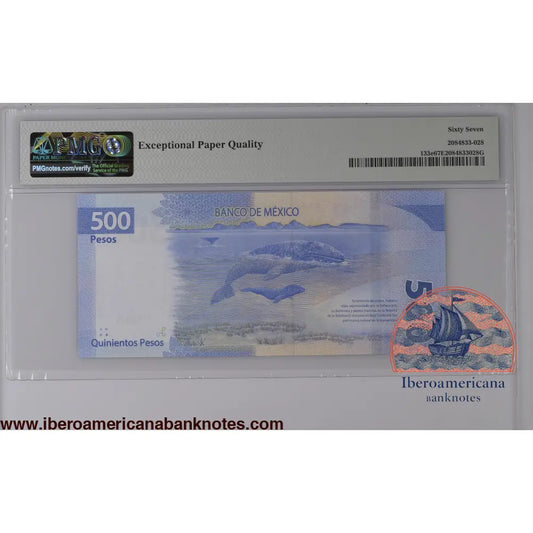
Mexico 3.1.2021 P-133e PMG Superb Gem UNC 67 EPQ 500 Pesos
Vendor:Iberoamericana BanknotesRegular price €74,95 EURRegular price €74,95 EUR Sale priceUnit price per -
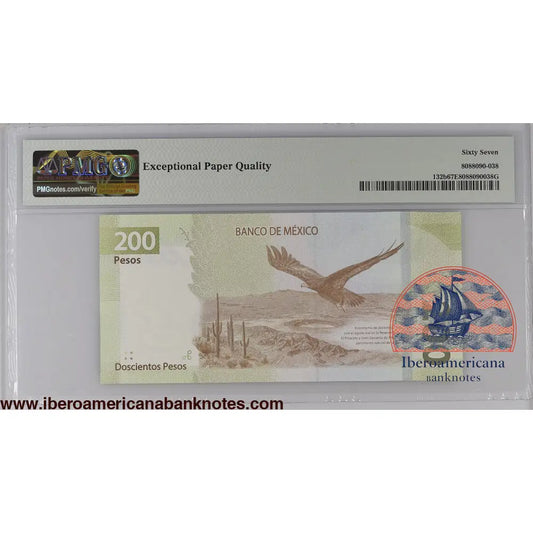
Mexico 30.1.2019 P-132b PMG Superb Gem UNC 67 EPQ 200 Pesos
Vendor:Iberoamericana BanknotesRegular price €54,95 EURRegular price €54,95 EUR Sale priceUnit price per -
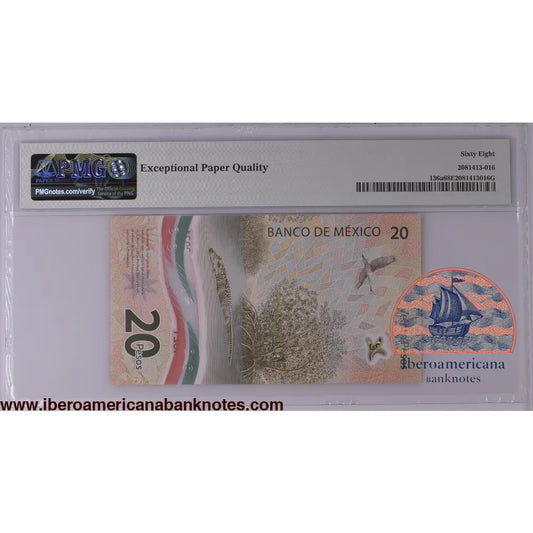
Mexico 6.1.2021 P-136a PMG Superb Gem UNC 68 EPQ 20 Pesos
Vendor:Iberoamericana BanknotesRegular price €44,95 EURRegular price €44,95 EUR Sale priceUnit price per -
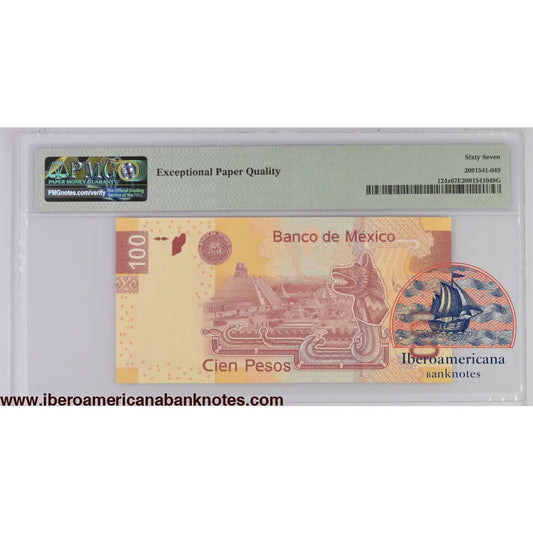
Mexico 19.12.2012 P-124z PMG Superb Gem UNC 67 EPQ 100 Pesos
Vendor:Iberoamericana BanknotesRegular price €69,95 EURRegular price €69,95 EUR Sale priceUnit price per -
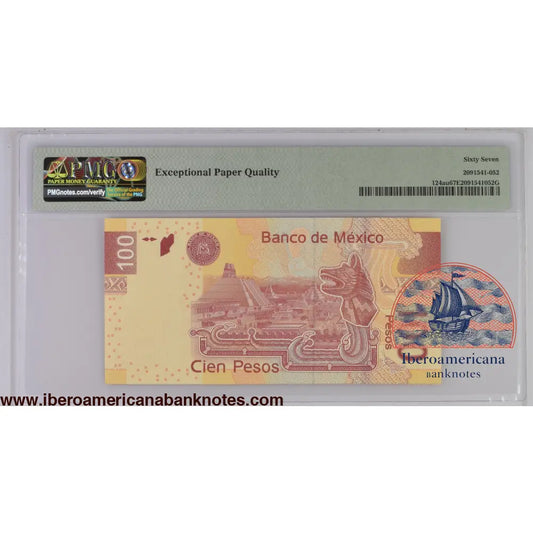
Mexico 13.5.2015 P-124au PMG 67 EPQ 100 Pesos TOP POP
Vendor:Iberoamericana BanknotesRegular price €69,95 EURRegular price €69,95 EUR Sale priceUnit price per -
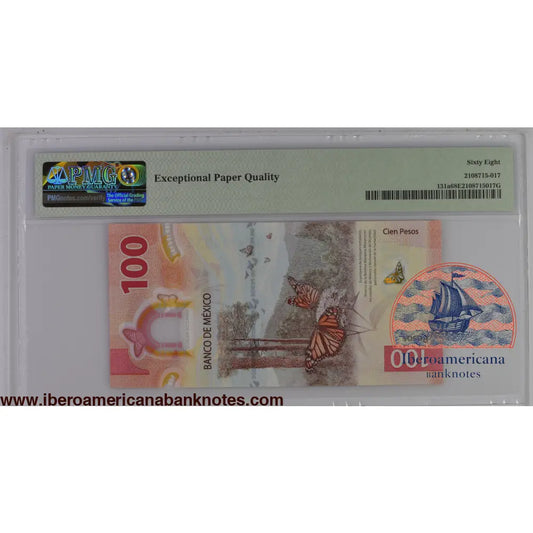
Mexico 8.5.2020 P-131a PMG Superb Gem UNC 68 EPQ 100 Pesos
Vendor:Iberoamericana BanknotesRegular price €49,95 EURRegular price €49,95 EUR Sale priceUnit price per -
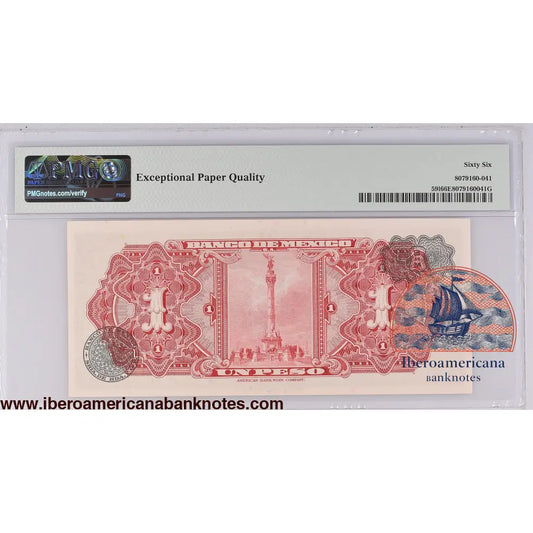
Mexico 7/22/1970 P-591 PMG Gem UNC 66 EPQ 1 Peso
Vendor:Iberoamericana BanknotesRegular price €44,95 EURRegular price €44,95 EUR Sale priceUnit price per










Collection: Banknotes of Mexico
The Bank of Mexico has one of the best banknote series in the world right now. The G family, made of polymer or cotton paper depending on the denomination, has won international awards and has made Mexico a reference country for the modern collector.
Who is on Mexican banknotes
Sor Juana Inés de la Cruz, Francisco I. Madero, Benito Juárez, Miguel Hidalgo, José María Morelos. And on the reverses, ecosystems declared World Heritage Sites: the Sian Ka'an mangroves, the Chihuahuan Desert, the gray whales of El Vizcaíno. It is a series designed as a whole, not as individual banknotes.
The classic and the modern
Along with the G family are the previous issues, with the pesos of the seventies and eighties and the 1993 redenomination that removed three zeros and created the "new peso." Banknotes prior to that reform are inexpensive and very striking, and they tell the story of Mexican inflation of that era well.
What you will find here
Pesos from various eras and denominations, with their Pick reference and their actual condition, including specimens certified by PMG in high grades. If you are interested in the plastic part, Mexico also appears in the collection of polymer banknotes.
Before you buy
Official issues from the Bank of Mexico, never reproductions. Protected and tracked shipping from Spain.
Discover more banknotes from the region in Banknotes of the Americas.
