
Morocco's 100 Dirham Commemorative Banknote for CAN 2025: First Banknote in Berber Language, Brahim Díaz's Missed Penalty, and the Title Awarded Two Months Later
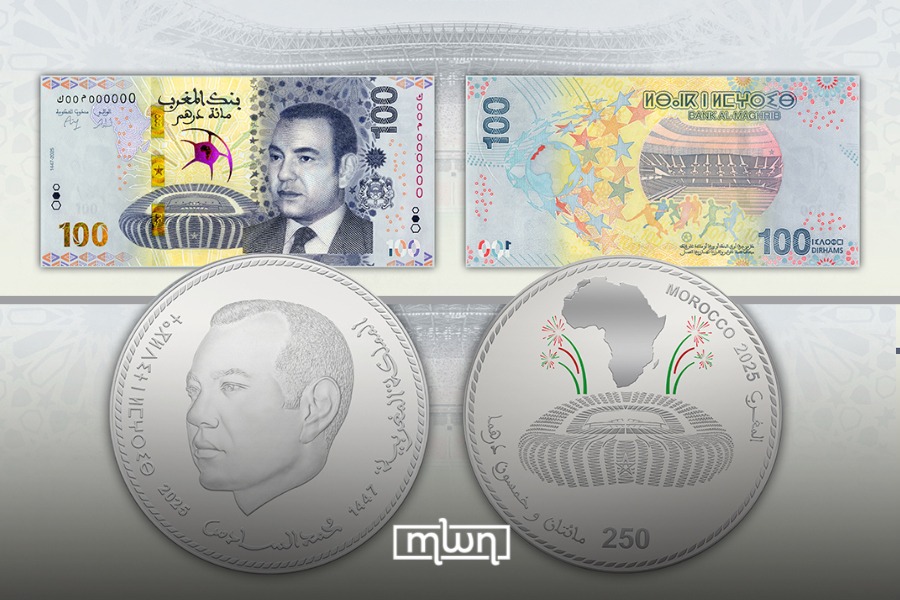

Morocco's 100-dirham commemorative banknote: the first banknote in Berber language celebrating AFCON 2025 and the historic victory awarded to Morocco two months later
Morocco's 100-dirham commemorative banknote has become the most sought-after collector's item of 2025-2026. Issued by Bank Al-Maghrib (BAM) to honor the hosting of the 35th edition of the Africa Cup of Nations (CAN 2025 or AFCON 2025), this banknote not only celebrates African football but also marks a historic milestone: it is the first official Moroccan banknote with inscriptions in the Berber language (Tamazight or Amazigh) in the Tifinagh alphabet.

But the story doesn't end there. The final on January 18, 2026, in Rabat ended with Senegal winning 1-0 in extra time after a penalty missed by Brahim Díaz, star of Real Madrid and the Moroccan national team. However, two months later, on March 18, 2026, the Confederation of African Football (CAF) revoked the title due to the Senegalese team's failure to appear and abandon of the field, awarding the Cup to Morocco. This epic turn has elevated the 100-dirham commemorative banknote to the ultimate symbol of resilience, national identity, and triumph "on the field and in the office."
In this article, we explore its design, the significance of Berber, the drama of the final with Brahim's missed penalty, the CAF controversy, the enormous global popularity of AFCON 2025 (with 6 billion digital views and a 61% increase in global audience), and much more. If you are looking for "100-dirham Morocco commemorative banknote," "first Berber banknote," "Brahim Díaz penalty AFCON 2025," or "Morocco African Cup champion 2026," here you will find all verified and optimized information.
History of the 100-dirham commemorative banknote: a 100% Moroccan project
Bank Al-Maghrib unveiled the 100-dirham commemorative banknote on December 22, 2025, just one day after the tournament began (December 21, 2025 – January 18, 2026). Produced entirely by Dar As-Sikkah, the Moroccan national mint, it is a limited edition that also includes a 250-dirham silver coin. It is full legal tender and circulates alongside the regular 100-dirham banknote.
This issue reflects King Mohammed VI's vision to unite sport, culture, and identity. Morocco not only organized the tournament with elite infrastructure but also turned it into a global platform to showcase its linguistic and cultural diversity.
Detailed design of the 100-dirham banknote: football, Africa and Berber
It measures 144 x 70 mm and uses vibrant colors (blue, orange, purple, yellow, and green) that evoke the Moroccan sky, the desert, football passion, and the Pan-African flag.

Obverse:
- Central portrait of King Mohammed VI.
- Prince Moulay Abdellah Sports Complex in Rabat (final venue).
- Schematic map of Africa.
- Stylized football in purple Optically Variable Ink (OVI).
- Moroccan arabesque motifs inspired by Amazigh heritage.
- Three geometric hexagons.
- Denomination "100" in golden OVI and as a registration device.
- Coat of arms of Morocco.
- Texts in Arabic and Tamazight (Tifinagh).
Reverse:
- Interior of the Moulay Abdellah stadium with player silhouettes.
- Map of Africa surrounded by five-pointed stars on a football.
- “ⵍⴱⴰⵏⴽ ⵏ ⵍⵎⵖⵔⵉⴱ” (Bank Al-Maghrib in Tifinagh), alongside Arabic and French.
- Denomination as a registration device.
The design merges modernity and tradition. The football and stadium represent AFCON 2025; the map of Africa, continental solidarity; and the Berber elements, full cultural inclusion.
The great milestone: the first banknote in the Berber language (Tamazight)
This is the first official Moroccan banknote with Tifinagh inscriptions. Until 2025, all banknotes used only Arabic and French. Tamazight, recognized as an official language in the 2011 Constitution by King Mohammed VI's will, now reaches everyday money.
The inscription “ⵍⴱⴰⵏⴽ ⵏ ⵍⵎⵖⵔⵉⴱ” on the reverse is both functional and symbolic. It represents recognition for more than 40% of the population with Amazigh roots. Tifinagh, one of the oldest alphabets in the world (over 2000 years), is now globally disseminated thanks to this banknote. Berber media described it as a "historic day for the Amazigh world."
Security features of the 100 dirhams AFCON 2025 banknote
It incorporates state-of-the-art anti-counterfeiting technology:
- "Galaxy" security thread with gold-green color shift.
- Watermark: portrait of the King + electrotype "100".
- Golden and purple OVI inks.
- Microprints and high-resolution motifs.
Produced by Moroccan experts, it combines beauty and maximum security.
Context of the Africa Cup 2025: Morocco, perfect host
AFCON 2025 was a historic organizational success. Morocco invested billions in stadiums (Rabat, Casablanca, Marrakech, Agadir…), airports, and hotels. 24 teams participated. The final was played at Prince Moulay Abdellah in Rabat, the same stadium depicted on the banknote.
Morocco entered as local favorites. Walid Regragui led a spectacular team, with stars like Brahim Díaz (Real Madrid), who shone throughout the tournament and won the Golden Boot.
The final on January 18, 2026: Senegal vs. Morocco, Brahim's missed penalty and the controversy
On January 18, 2026, the Rabat stadium was packed. Morocco vs. Senegal, 0-0 in the 8th minute of added time. Penalty awarded to Morocco via VAR.
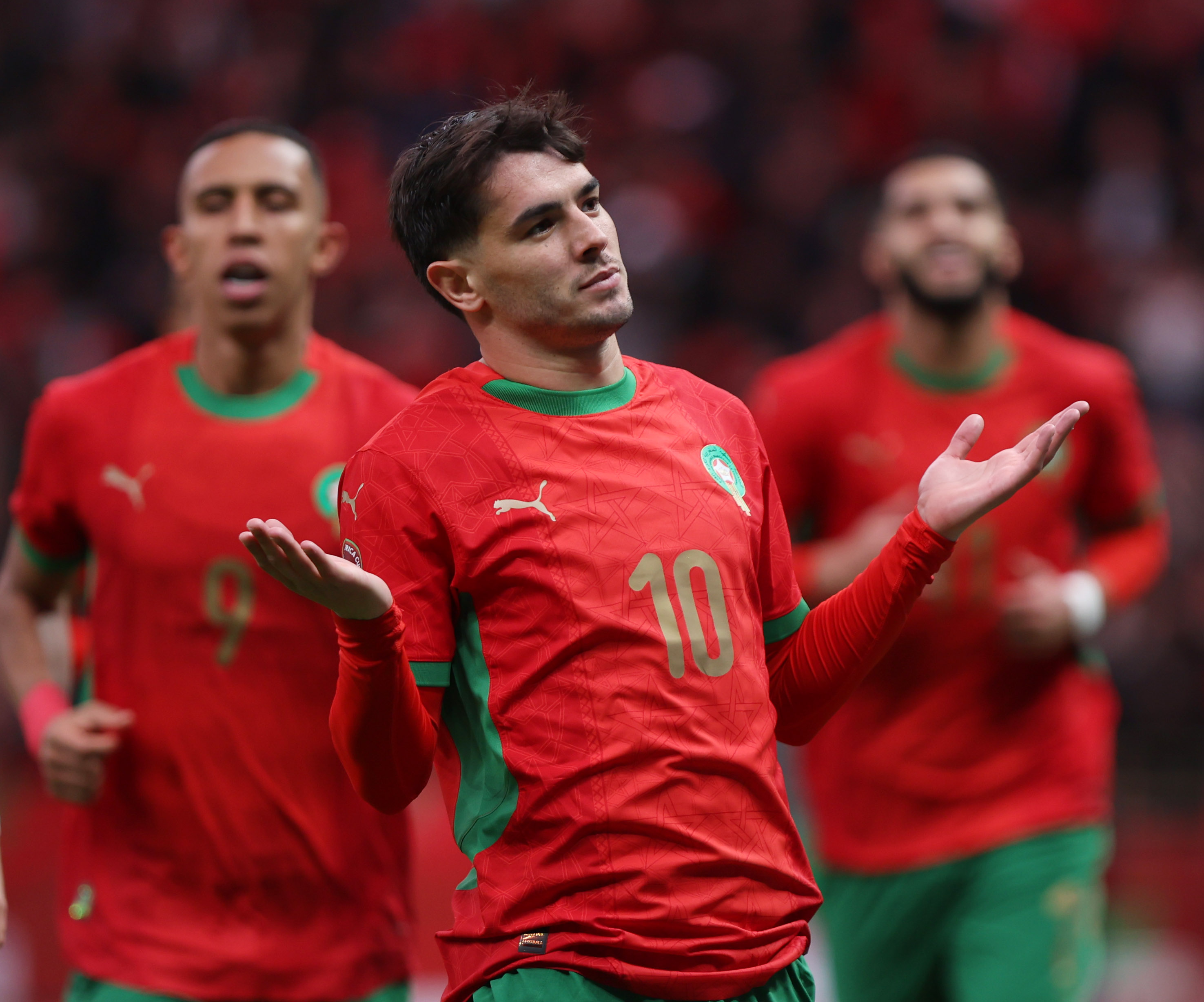
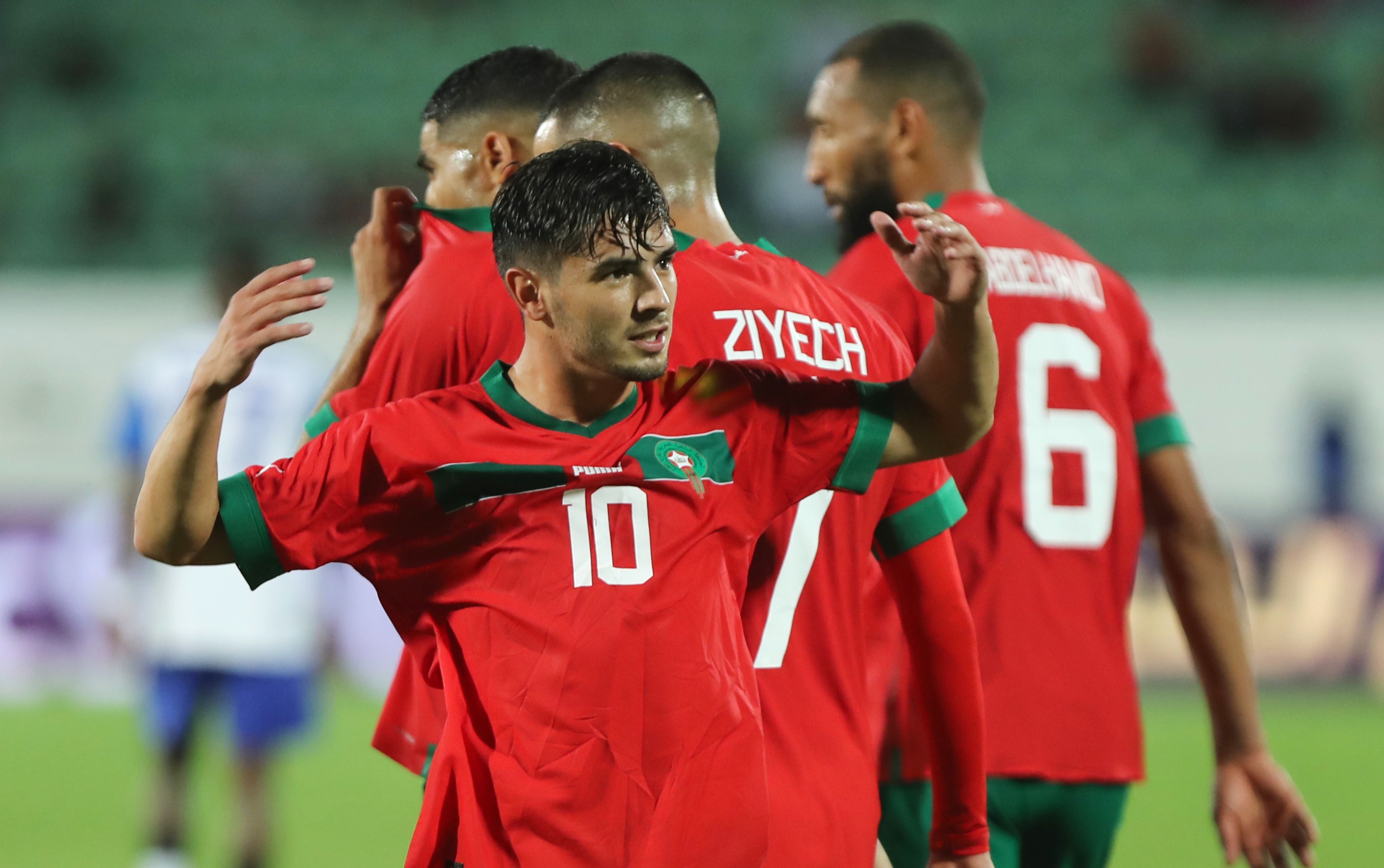
Brahim Díaz took the ball and executed a daring Panenka… which he missed. Senegalese goalkeeper Édouard Mendy saved it. The stadium fell silent.
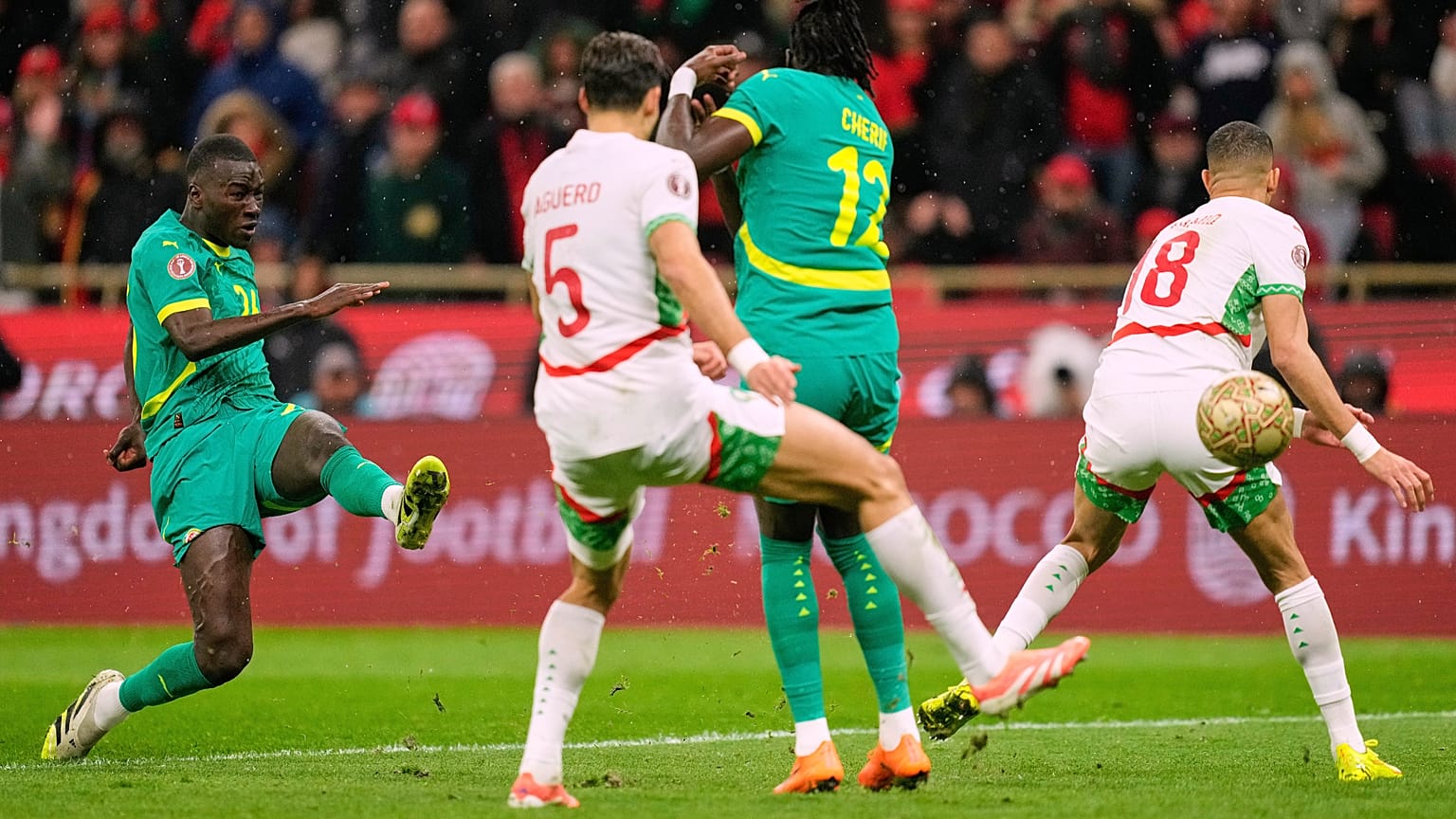
Senegalese coach Pape Thiaw, enraged, ordered his players to leave the field for about 15-17 minutes in protest. They returned, Senegal scored in extra time, and was provisionally crowned champion.
The Royal Moroccan Football Federation (FRMF) immediately appealed: the abandonment violated Articles 82 and 84 of the CAF regulations.
Two months later: CAF awards the Cup to Morocco
On March 18, 2026, the CAF Court of Appeal ruled: Senegal guilty of "loss by forfeit." The result was changed to 3-0. Morocco, official champion of AFCON 2025. The physical trophy arrived in Rabat. Massive celebrations across the country.
Brahim Díaz, despite missing that decisive penalty, celebrated with emotion: he is now an African champion. His reaction (viral videos on social media) spread worldwide.

The immense popularity of the Africa Cup 2025: record audiences with billions of followers
AFCON 2025 became the most-watched African sporting event in history. According to official CAF data:
- 6 billion digital views (absolute record).
- 5.2 billion video views and 285 million interactions.
- 61% global increase compared to previous editions.
- On television and streaming: over 24 million viewers in Brazil, almost 2 million in Mexico.
- Final in the UK: over 3 million on Channel 4.
- Germany: over 4 million viewers throughout the tournament.
- India: over 800,000 on FanCode (first major Asian market).
The controversy of Brahim's missed penalty and the CAF verdict multiplied conversations. AFCON 2025 proved that African football is global mainstream. Billions followed it because it represents passion, talent (like Brahim's), and pure drama. It is the third most important national team competition in the world after the World Cup and the European Championship.
Frequently asked questions about the Morocco 100 dirhams Africa Cup banknote
Is it the first banknote in Berber? Yes, with official Tifinagh for the first time in Moroccan monetary history.
Did Brahim Díaz miss the penalty? Yes, a Panenka in extra time. Despite that, he won the Golden Boot and the title.
How many people followed AFCON 2025? Over 6 billion digital views + 61% increase in global audience. Historic record.
Is Morocco really the champion? Yes, according to the official CAF decision of March 18, 2026 (3-0 by forfeit).
A banknote that tells a true epic
The 100-dirham commemorative banknote is much more than paper: it is AFCON 2025, the first use of Berber on currency, Brahim Díaz's missed penalty, the drama of the Senegalese abandonment, and CAF's justice two months later. Morocco organized, suffered, and in the end won.
Its numismatic and symbolic value will grow eternally. Delivery to individuals is very limited. If you are a collector, football fan, or lover of Moroccan and Berber culture, this banknote is a must-have.


